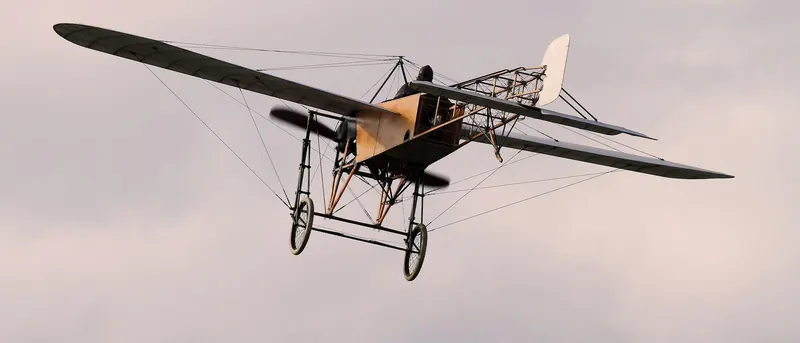
Airshow Aerobatics at Lethbridge Airshow
Aerial performances are the flying part of an airshow. Pilots fly planned routines that combine climbs, turns, rolls, loops and fast passes, often in front of crowds in an open area. This page gives a general overview of what these displays involve and what visitors can expect to see.
Types of Aerobatic Maneuvers
Aerobatic maneuvers are controlled movements that change an aircraft's attitude or path in ways that normal flight does not. Common examples include loops, rolls, spins, hammerheads and inverted passes. Each manoeuvre is chosen for its visual shape in the sky, and pilots practise sequences for many hours before a public show.
Solo performers fly alone, which gives them full control over timing and sequence. Teams fly in formation, keeping set distances between aircraft while performing synchronized passes. Both formats can be exciting, and many programmes include a mix of the two so that the pace of the day stays varied.
Famous Aerobatic Teams and Solo Performers
Smoke systems are sometimes fitted to display aircraft to make the paths of the flight visible. Smoke can help spectators follow fast manoeuvres, but it depends on the aircraft and the rules for the event. Not every display uses smoke, and the choice is usually noted in the programme.
What to expect during a performance: the announcer usually introduces the act, the aircraft takes off or enters the display area, and the routine lasts for a set period. Acts are often scheduled with breaks in between, so there may be quiet periods where the field is reset. Listen to the public address system for changes.
What to Expect During a Performance
Safety is central to every flying display. Organizers set a display area, a spectator line and emergency procedures, and they can cancel or shorten a routine when wind, cloud or visibility is outside the approved limits. Spectators should stay behind the marked line and follow the instructions of marshals at all times.
Safety Measures and Regulations
Weather has a major effect on aerial displays. Strong wind, low cloud, rain or poor visibility can change the programme or stop flying altogether. If you travel a long way to attend, check the latest notices on the day and keep some flexibility in your plans.
Best Viewing Spots for Aerial Displays
Viewing spots matter as much as the programme. Open ground with a clear view of the centre line is usually better than a spot behind trees or buildings. Shade, seating and a view that does not face directly into the sun are useful details to think about before you choose where to stand.
How Weather Affects Performances
Children often enjoy the sound and movement of the displays most. Ear protection can make loud passes more comfortable, and a short walk away from the crowd can help very young children rest between acts.
History of Aerobatics at Airshows
This guide does not name performers, teams or aircraft for the current event, since that information is not confirmed here. Look at the official programme for the list of acts, and treat any older list you find online as a historical reference only.
Frequently asked questions
What types of aircraft perform aerobatics?
Most airshows include aerobatic solo acts and sometimes formation teams. The exact mix is published by the organizers before the event.
Are aerobatic performances safe?
Performances usually last several minutes each. The official programme gives approximate timings, which can change on the day.
How long do aerial performances last?
Aerobatic displays are flown under rules set for the event and the airspace. Spectators are protected by display lines and the instructions of event staff.
Want to take part in the event? Read the notes on this page and see the options below.
See how to volunteer